
Evidence-Based Resources
for Aesthetic Practice
Access peer-reviewed research, clinical guidelines, procedural case studies, consent templates, and practice management tools — curated by ASAHRS faculty for physicians and clinic leaders.
Guidelines & Consensus Statements
ASAHRS compiles and maintains evidence-informed clinical guidelines across all major aesthetic medicine disciplines. These documents reflect current best practices endorsed by our faculty and aligned with leading specialty societies.
Injectable Safety & Complication Management
Consensus protocols for vascular complication recognition, hyaluronidase reversal, emergency preparedness, and documentation standards for neuromodulator and dermal filler procedures.
Laser & Energy-Based Device Safety Standards
Comprehensive guidelines covering laser safety classifications, operator qualifications, protective eyewear requirements, treatment parameter documentation, and burn prevention protocols for all energy-based modalities.
Hair Restoration Clinical Protocols
Evidence-based protocols for non-surgical hair restoration including PRP/PRF preparation standards, trichoscopy assessment criteria, photobiomodulation parameters, and combination treatment sequencing.
Body Contouring & Fat Reduction Standards
Clinical guidelines for non-surgical fat reduction including patient selection criteria, device parameter standards, treatment interval recommendations, and outcome assessment protocols for cryolipolysis, radiofrequency, and ultrasound modalities.
Skin Assessment & Treatment Planning
Structured frameworks for comprehensive skin consultation, Fitzpatrick and Glogau classification, medical photography standards, contraindication screening, and individualized treatment plan development across all skin modalities.
Regenerative Aesthetics & Biostimulation
Current evidence and clinical protocols for platelet-based treatments, growth factor applications, biostimulatory injectables, and regenerative combination protocols — including regulatory considerations and responsible practice guidance.
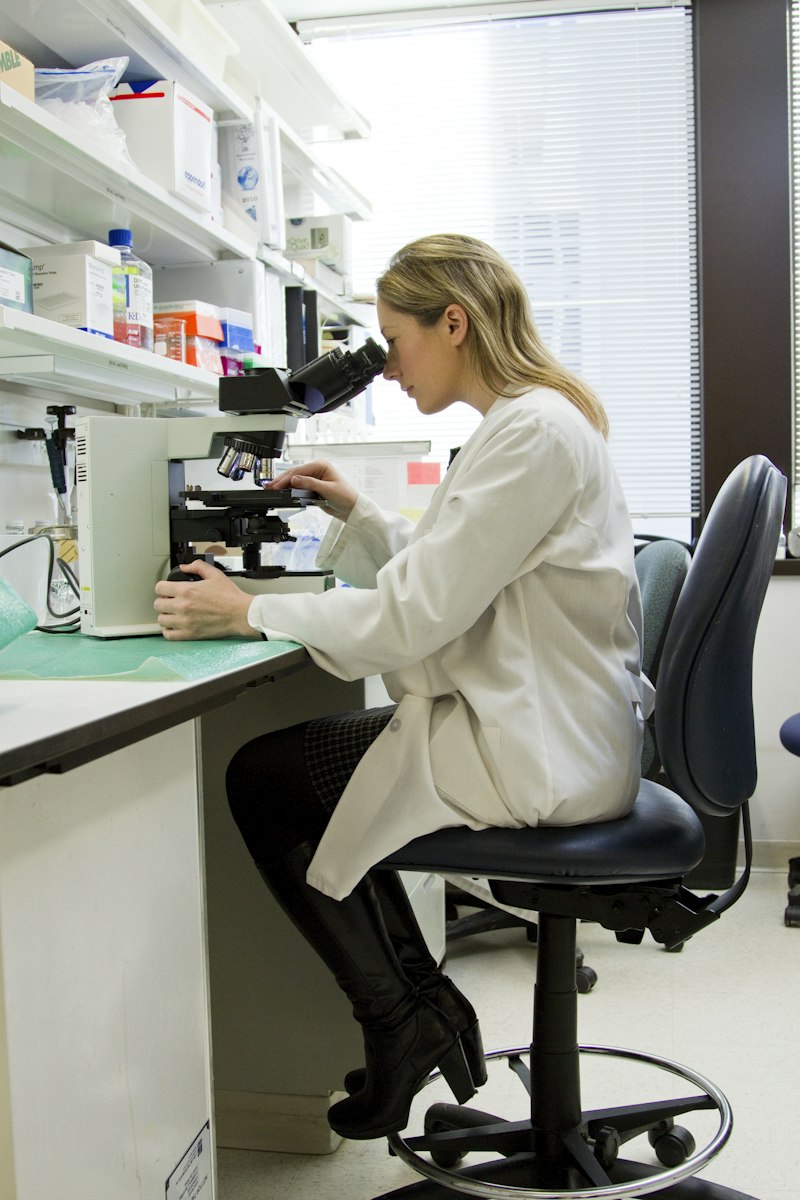
ASAHRS Aesthetic Medicine Clinical Reference Compendium
The ASAHRS Clinical Reference Compendium brings together evidence-based protocols, anatomical references, device parameters, and safety guidelines across all major aesthetic medicine disciplines. Developed by our faculty with contributions from board-certified specialists, this resource serves as the foundational reference for ASAHRS educational programs and independent clinical practice.
Research Library & Journals
Our curated research library provides physicians and clinic leaders with access to landmark studies, systematic reviews, and current literature across all aesthetic medicine disciplines. Resources are organized by specialty and updated quarterly by ASAHRS faculty.
Botulinum Toxin Type A: Mechanism of Action, Clinical Applications, and Safety Profile — A Systematic Review
Platelet-Rich Plasma in Non-Surgical Hair Restoration: Evidence Review, Preparation Protocols, and Clinical Outcomes
Fractional Radiofrequency Microneedling for Skin Tightening and Acne Scar Improvement: A Prospective Clinical Study
Non-Surgical Fat Reduction: Comparative Efficacy and Safety of Cryolipolysis, High-Intensity Focused Ultrasound, and Radiofrequency Technologies
Biostimulatory Injectables in Aesthetic Medicine: Mechanisms, Clinical Applications, and Emerging Evidence for Poly-L-Lactic Acid and Calcium Hydroxylapatite
Intense Pulsed Light and Broadband Light Therapy for Photorejuvenation: Updated Clinical Parameters and Skin-Type Considerations
Case Studies & Procedural Videos
Detailed clinical case studies and faculty-narrated procedural videos provide context that textbooks alone cannot deliver. Each case includes patient assessment, treatment rationale, technique documentation, and outcome evaluation.

Acne Scar Improvement with Fractional RF Microneedling: A 6-Month Case Follow-Up
Comprehensive case documentation covering initial assessment, Fitzpatrick typing, device parameter selection, treatment series, and 6-month photographic outcome evaluation.
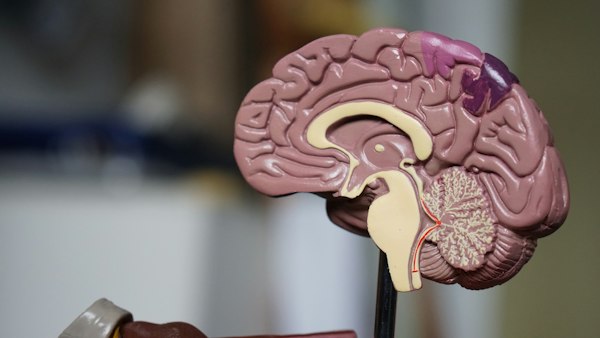
Non-Surgical Hair Restoration: PRP Protocol, Trichoscopy Assessment, and 12-Month Outcomes
Detailed case study documenting trichoscopy baseline, PRP preparation protocol, injection technique, photobiomodulation adjunct, and serial trichoscopy follow-up over 12 months.

Facial Balancing with Hyaluronic Acid Fillers: Anatomical Planning, Cannula Technique, and Vascular Safety
Advanced case study demonstrating full-face assessment, volume deficit analysis, layered filler placement, cannula technique for high-risk zones, and vascular complication avoidance strategies.
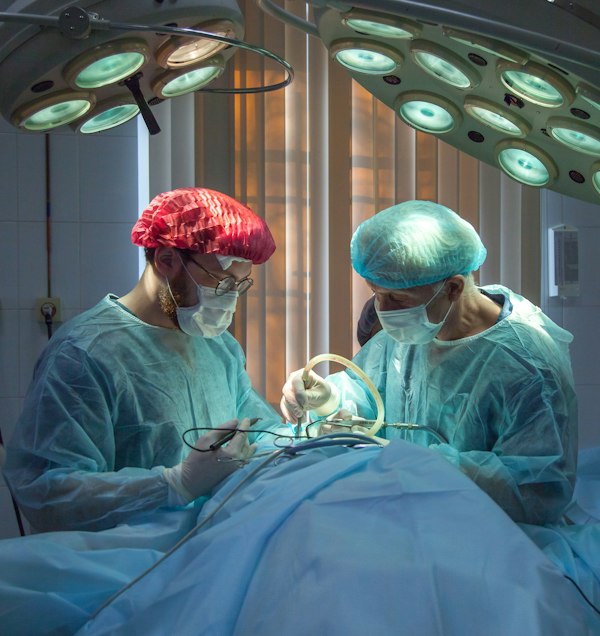
Combination Body Contouring: Cryolipolysis, RF Skin Tightening, and Electromagnetic Muscle Stimulation Protocol
Multi-modality case study illustrating patient selection, treatment sequencing, interval planning, and combined outcome assessment for a comprehensive non-surgical body contouring program.
Consent & Ethics Templates
Professionally drafted consent forms, ethics frameworks, and documentation templates developed in consultation with healthcare attorneys and ASAHRS faculty. All templates are provided as editable starting points — review with qualified legal counsel before clinical use.
Important Notice: All consent templates and documentation provided by ASAHRS are intended as educational starting points only. They do not constitute legal advice and must be reviewed and adapted by qualified healthcare attorneys familiar with your jurisdiction's specific requirements before clinical use. Regulatory requirements for informed consent vary by state, province, and country.
FAQ & Practice Management Tools
Practical tools and structured frameworks to support the responsible implementation and ongoing management of aesthetic medicine services within your practice. From consultation guides to technology evaluation checklists, these resources translate clinical education into operational excellence.
Educational Pathway Finder
Not sure where to begin? Answer a brief set of questions about your professional background, current services, and areas of interest — and receive a personalized educational pathway recommendation from ASAHRS.
- Professional designation assessment
- Current experience evaluation
- Area of interest selection
- Foundational vs. advanced pathway
- Personalized program recommendations
Technology Evaluation Checklist
A structured framework for evaluating energy-based device purchases, covering clinical evidence, regulatory status, training requirements, consumable costs, maintenance obligations, and return considerations — without revenue guarantees.
- Clinical evidence assessment
- Regulatory and safety review
- Training and support evaluation
- Total cost of ownership analysis
- Lease vs. purchase considerations
Program Calendar & Registration
Browse upcoming ASAHRS educational programs by date, location, specialty, and experience level. Filter by modality or format — in-person, online, or hybrid — and register directly through the secure portal.
- Filter by specialty and location
- View seat availability in real time
- Compare program formats
- Secure online registration
- Group registration support
Downloadable Program Guide
The ASAHRS Program Guide provides a comprehensive overview of all available educational pathways, program formats, faculty profiles, tuition information, eligibility requirements, and registration procedures in a single reference document.
- Full program catalog
- Eligibility requirements
- Tuition and payment information
- Faculty profiles
- Registration and cancellation policies
Common Questions Answered
Answers to the questions physicians and clinic leaders most frequently ask about ASAHRS educational programs, eligibility, certificates, and practice implementation.
ASAHRS educational programs are designed for licensed physicians and other eligible healthcare professionals. Because professional scope of practice varies by jurisdiction, enrollment is subject to eligibility review. Applicants are asked to provide their professional designation, license information, and relevant credentials. Specific eligibility requirements may vary by program.
Most ASAHRS programs include hands-on components using clinical models, simulation, or supervised patient participation depending on the program level and format. Live model availability varies by program and location. Program pages specify the educational format, hands-on components, and model participation details. Online programs focus on didactic content, anatomy, and case-based learning.
Participants who complete the required educational components receive a certificate of completion from ASAHRS. Certificates document program attendance and educational participation. Participation in an ASAHRS educational program does not independently grant professional licensure, specialty certification, or authority to perform any procedure. Participants are responsible for practicing within applicable laws, regulations, institutional policies, and professional scope-of-practice requirements in their jurisdiction.
ASAHRS programs are designed to be technology-neutral wherever possible, focusing on clinical principles, patient assessment, treatment planning, and technique fundamentals that apply across devices and product lines. Some advanced programs may include device-specific instruction when a particular technology requires specialized training. Program descriptions specify when device-specific content is included.
ASAHRS maintains a structured cancellation and transfer policy that varies by program and timing of the request. Transfers to alternative program dates are generally accommodated subject to availability. Cancellations made within specified timeframes may be subject to administrative fees. Full policy details are provided at registration and are available on the Registration Policy page. We recommend reviewing the policy before completing registration.
ASAHRS provides post-program resources through the Student Portal, including recorded review sessions, protocol references, faculty Q&A access, case discussion materials, and recommendations for continuing education. The level of post-program support varies by program. Faculty contact information is provided for clinical questions arising from program content, subject to faculty availability.
Yes. ASAHRS offers private and on-site educational programs for practices, clinics, and healthcare organizations seeking customized instruction for their team. Private programs can be tailored to your team's experience level, specific treatment areas, existing devices, and educational objectives. Contact ASAHRS to discuss your requirements and receive a private education proposal.
Browse by Specialty
All ASAHRS resources are organized by clinical specialty for efficient access. Select a category below to access guidelines, research references, case studies, and practice tools relevant to your area of focus.
Facial Anatomy, Neuromodulators & Dermal Fillers
Comprehensive resources covering facial anatomy, injection technique, product selection, facial balancing principles, biostimulators, and complication management for injectable practitioners.
Explore ResourcesAssessment, Lasers, Microneedling & Resurfacing
Skin consultation frameworks, laser physics references, microneedling protocols, pigmentation management guides, acne scar treatment evidence, and skin tightening technology comparisons.
Explore ResourcesFat Reduction, Contouring & Muscle Stimulation
Patient selection criteria, device parameter references, treatment sequencing guides, and outcome assessment tools for non-surgical fat reduction, body contouring, and electromagnetic muscle stimulation.
Explore ResourcesTrichoscopy, PRP, PRF & Scalp Treatments
Hair loss assessment frameworks, trichoscopy reference guides, PRP and PRF preparation standards, photobiomodulation parameters, and combination treatment protocols for non-surgical hair restoration.
Explore ResourcesPlatelet Science, Growth Factors & Biostimulation
Current evidence for platelet-based treatments, growth factor applications, biostimulatory injectables, and regenerative combination protocols — including regulatory considerations and responsible practice guidance.
Explore ResourcesLaser Safety, RF, Ultrasound & Device Comparison
Laser safety standards, energy-tissue interaction references, radiofrequency and ultrasound technology guides, device comparison frameworks, treatment parameter documentation, and operator qualification requirements.
Explore Resources
Build Skills. Treat Responsibly. Advance Your Practice.
Explore ASAHRS educational programs in injectables, skin, fat, hair, regenerative aesthetics, and energy-based technologies — and access the clinical resources to support your ongoing professional development.